The Vision
The motivation behind the remodel was rooted in functionality. The homeowners wanted a kitchen that could serve as the heart of the home while supporting a range of everyday activities — cooking, entertaining, and managing household tasks.
In the original layout, the kitchen was tightly connected to the mud room, laundry room, mechanical space, and powder bath in a way that made each area feel cramped. Because these spaces were competing for the same footprint, none of them functioned as effectively as they could.
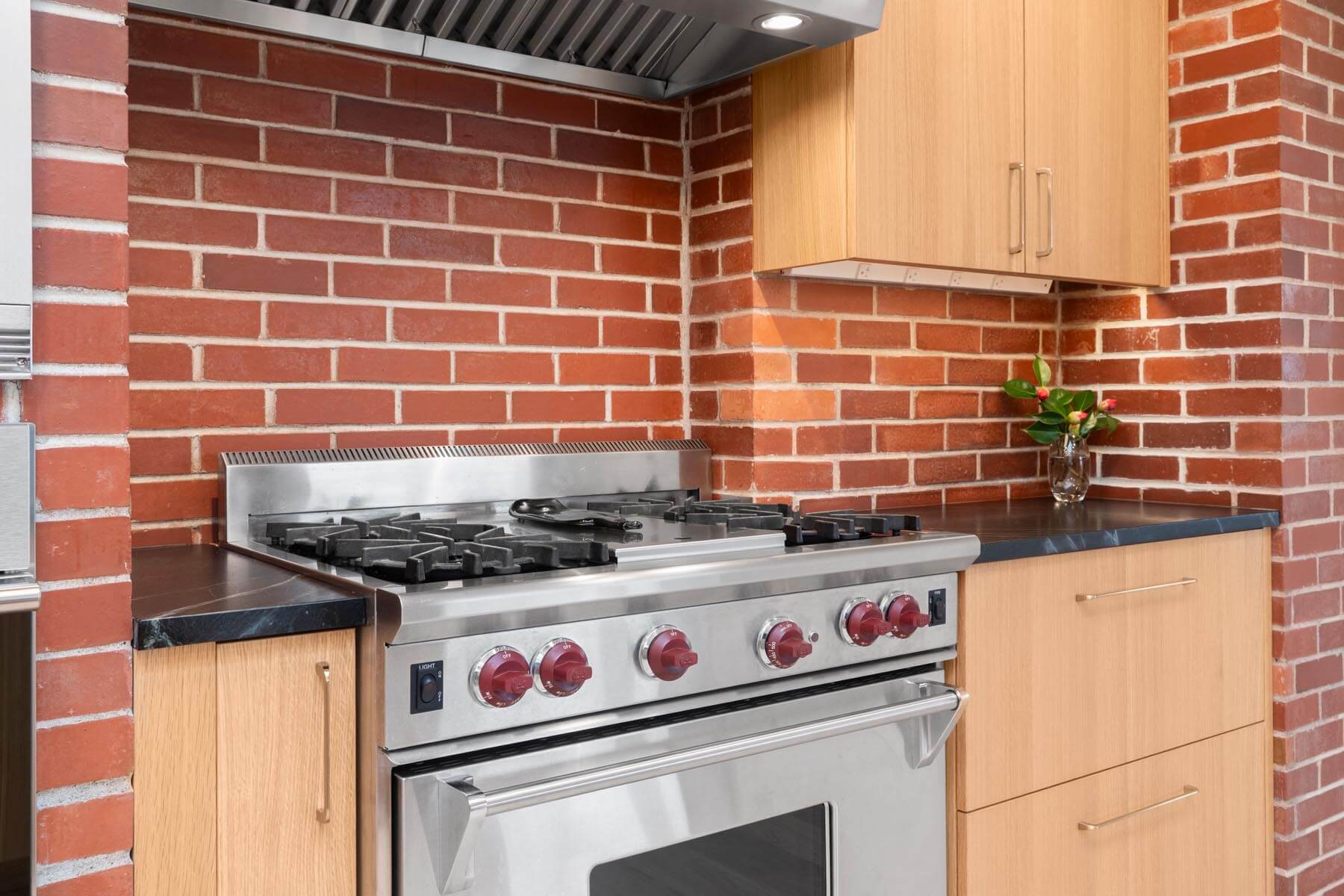
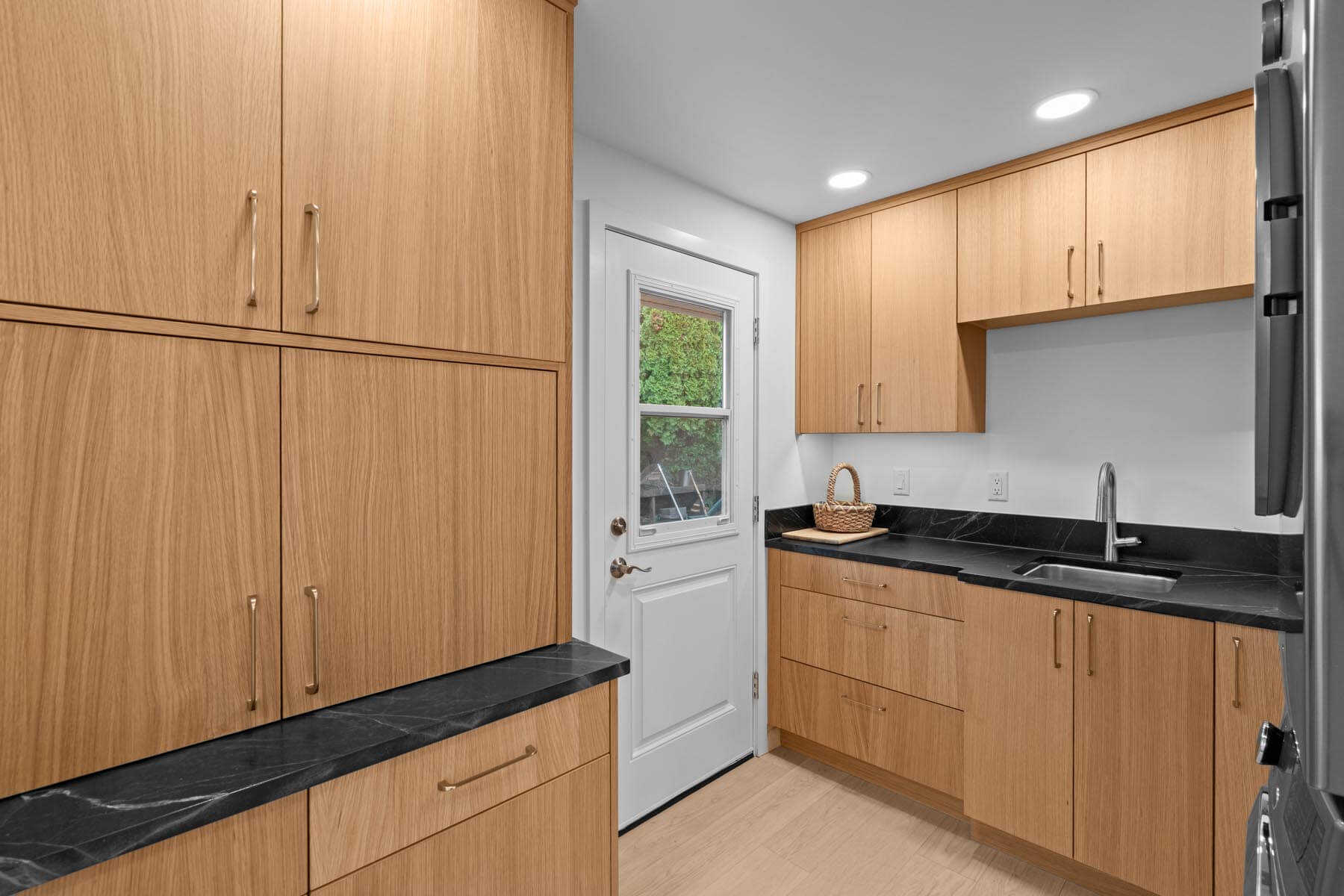
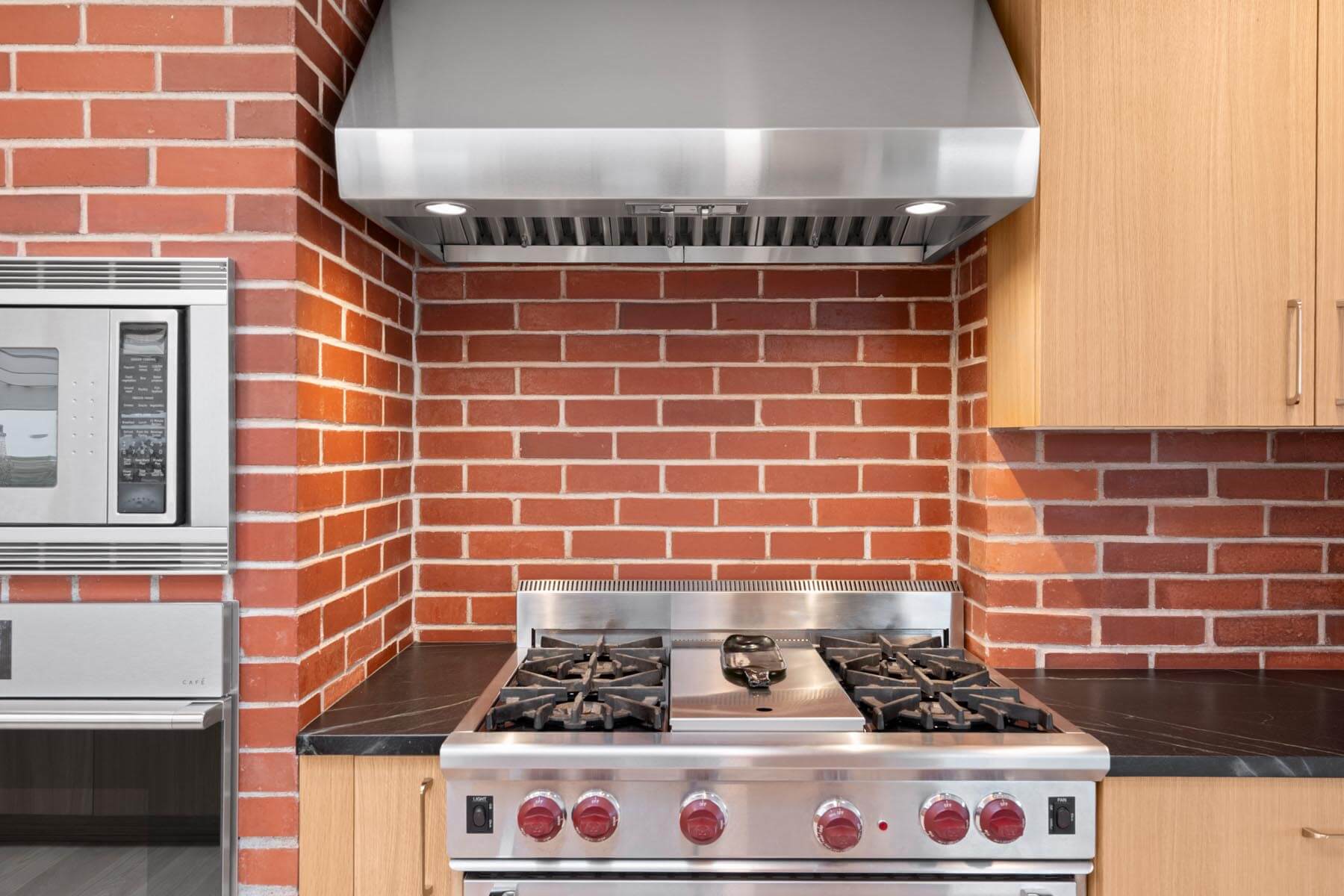
The homeowners began by identifying their top priorities. First, they wanted a more efficient, expanded kitchen with better storage and workflow. Second, they wanted to make sure to keep the original brick in the home. Third, they envisioned a mud room / laundry room that could accommodate gardening tools and act as a dual space to make the area more functional.
The existing setup did not provide the organization or functionality needed for daily household tasks. By redesigning the layout, the goal was to create a laundry space that felt integrated with the home rather than tucked away as an afterthought.
Because the renovation worked within the existing footprint of the home, every design decision required careful planning to maximize efficiency without expanding the structure.
Kitchen
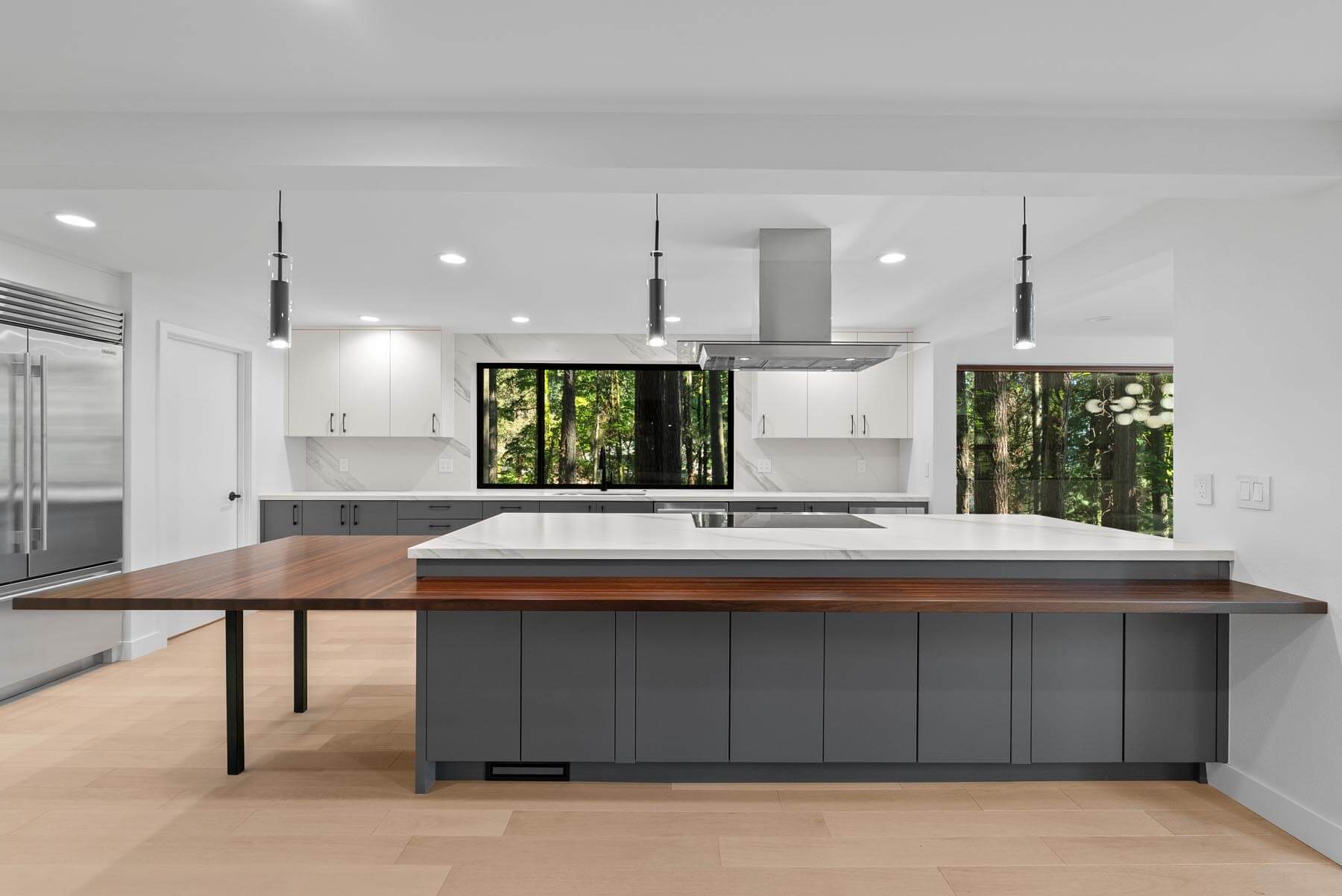
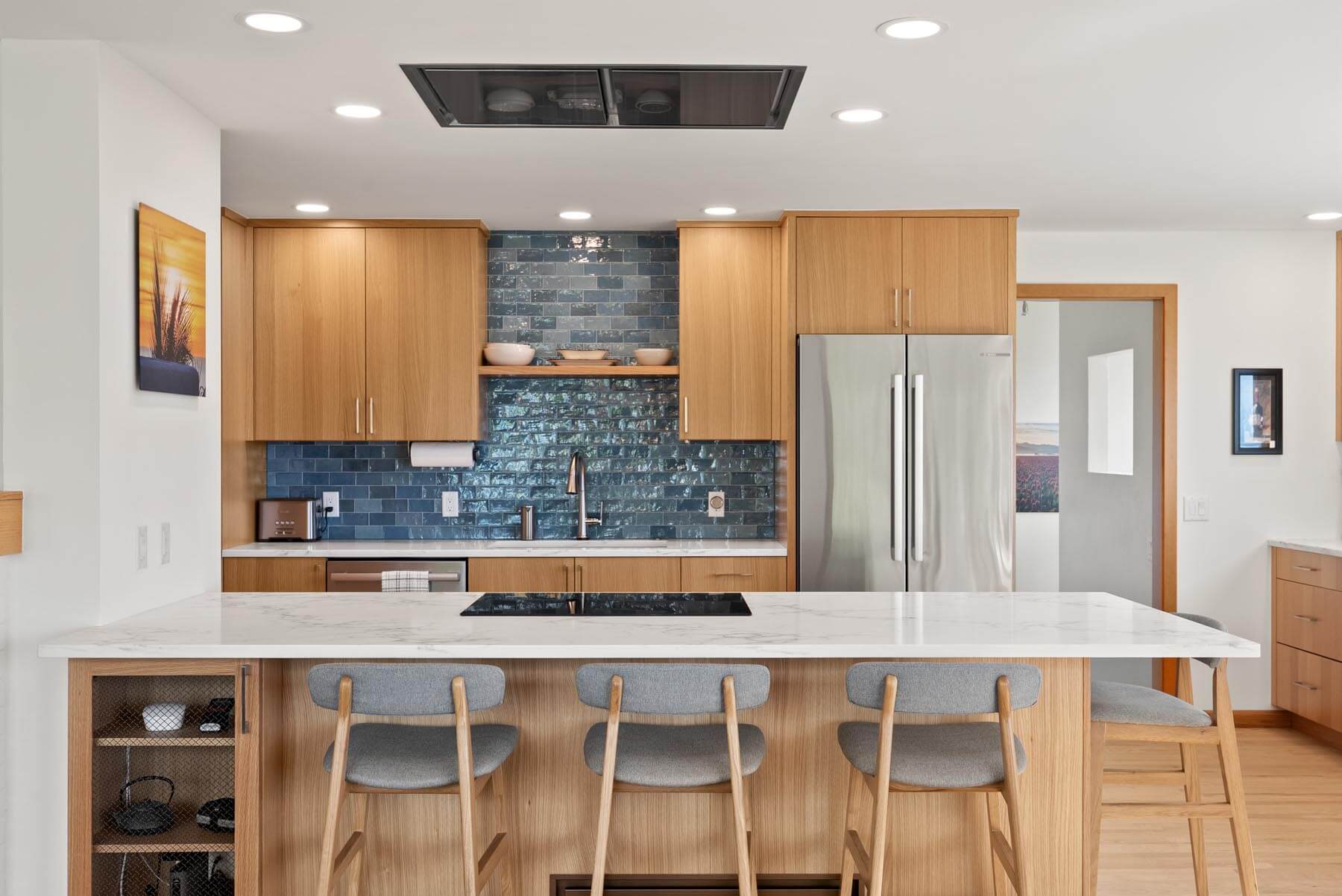
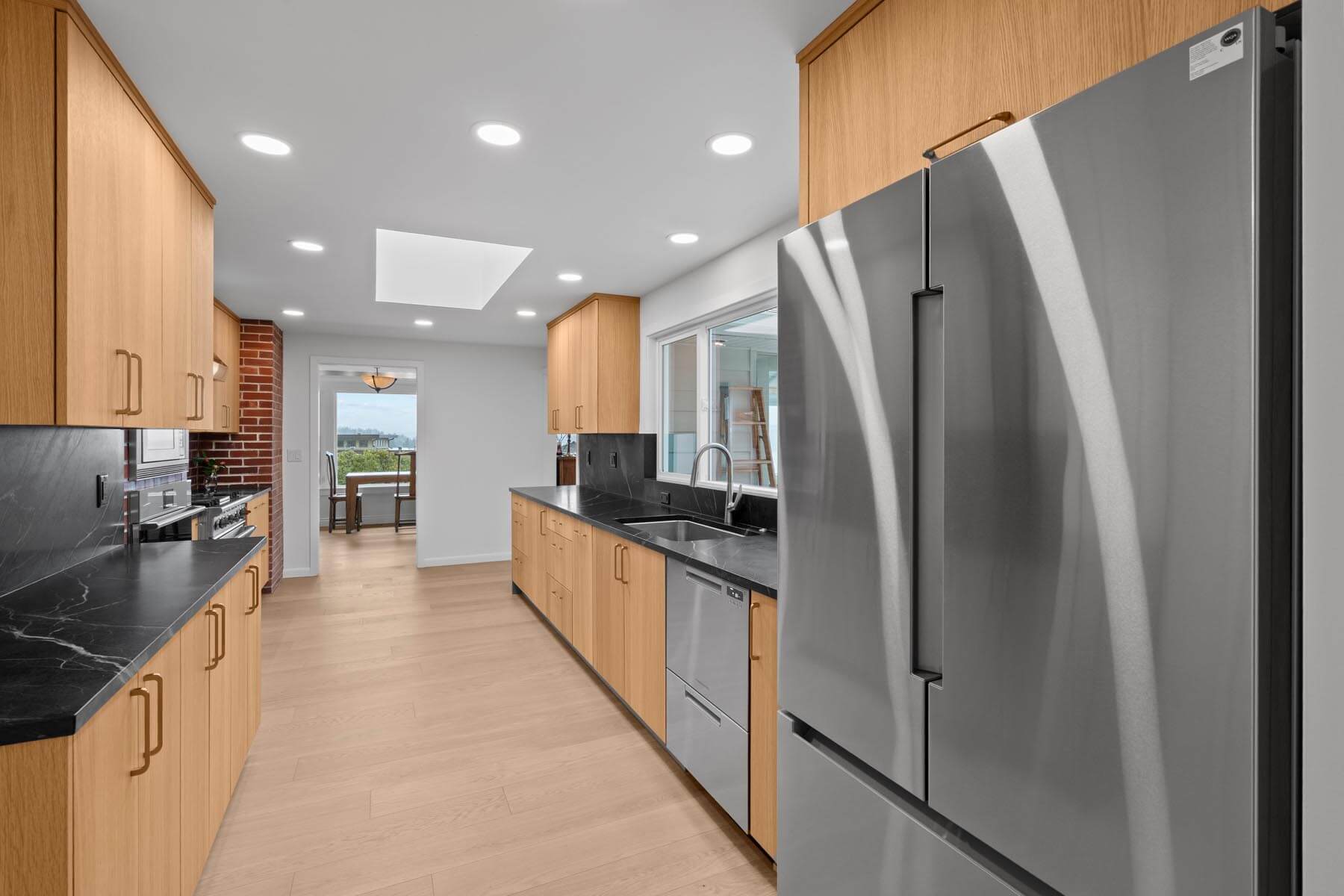
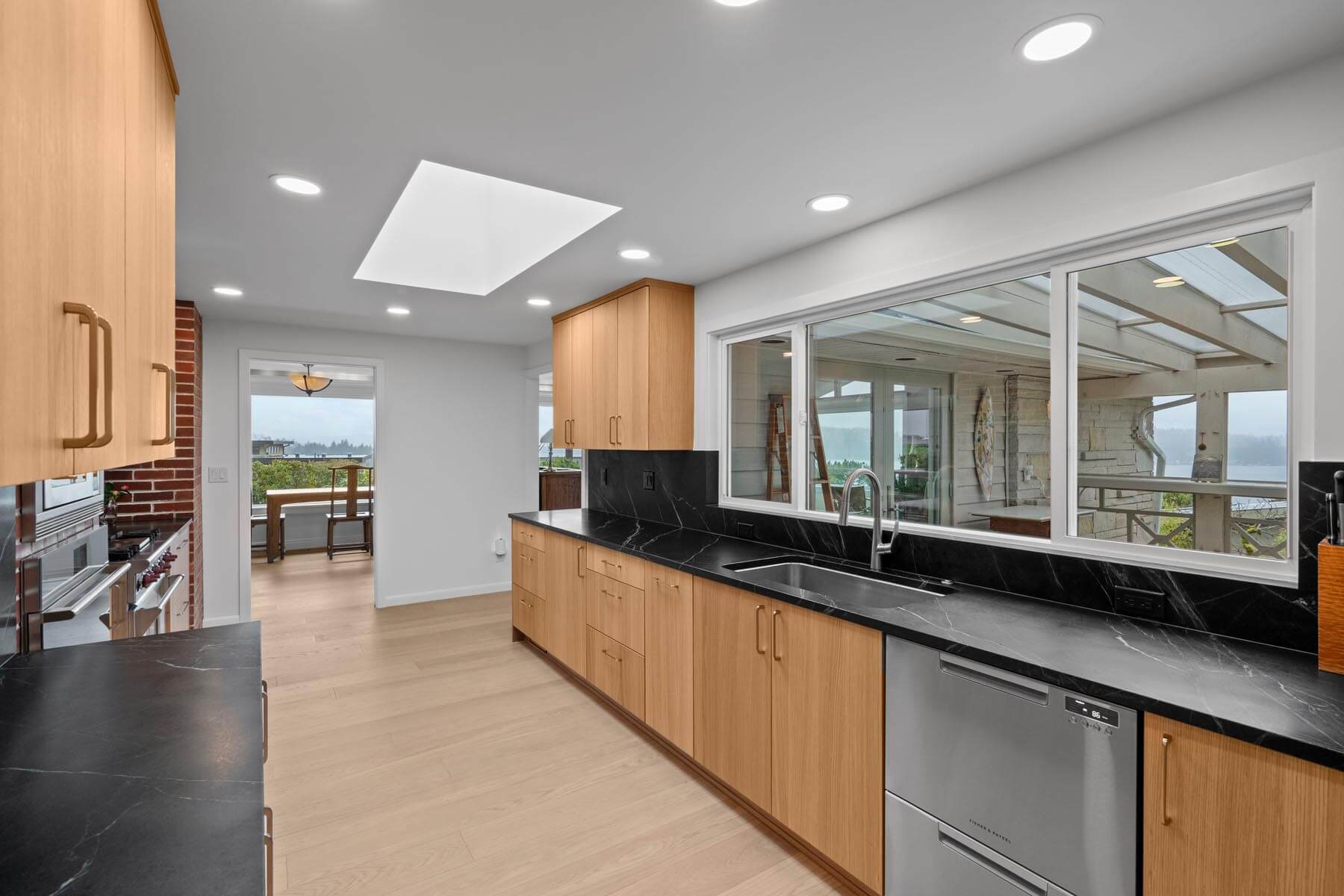
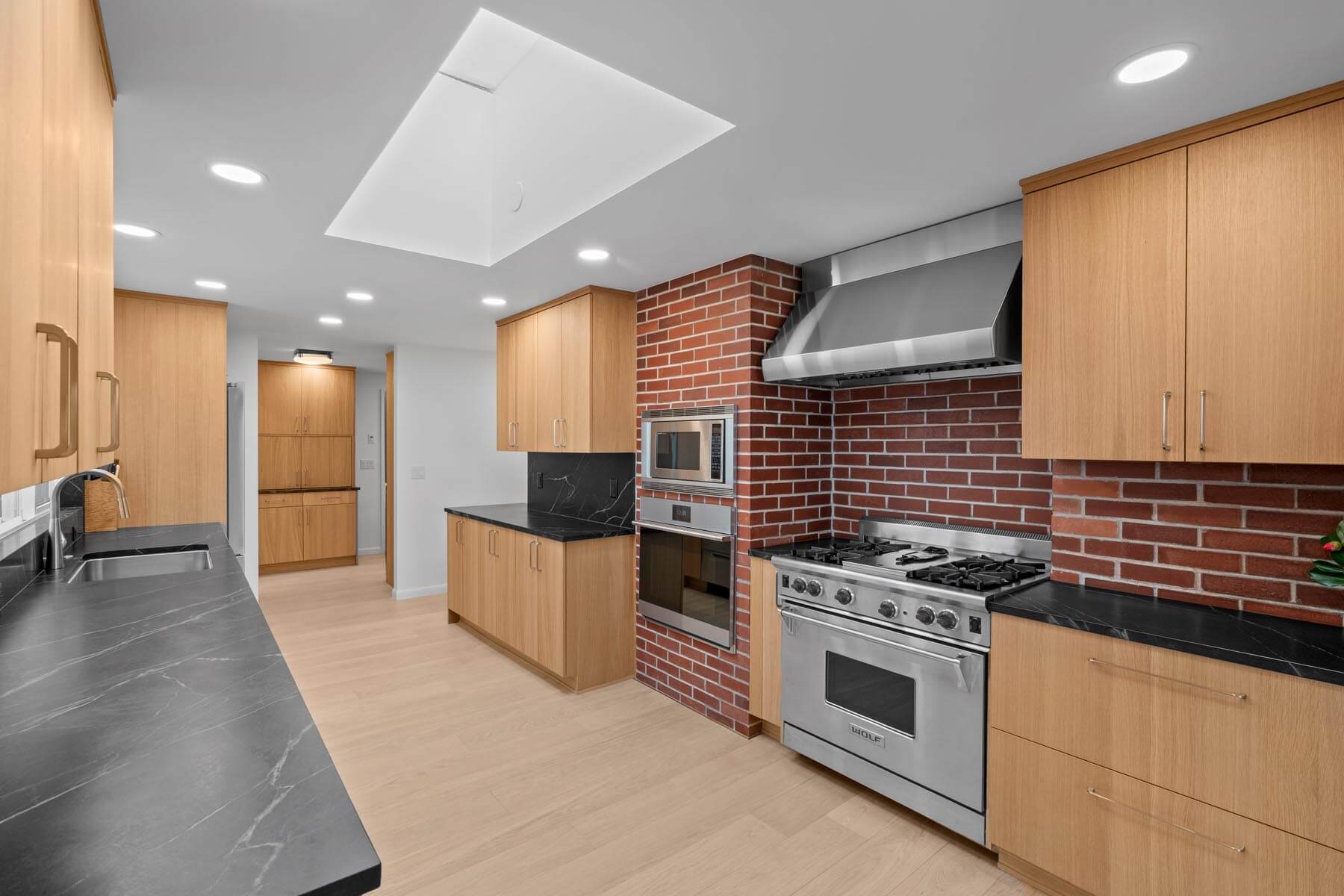
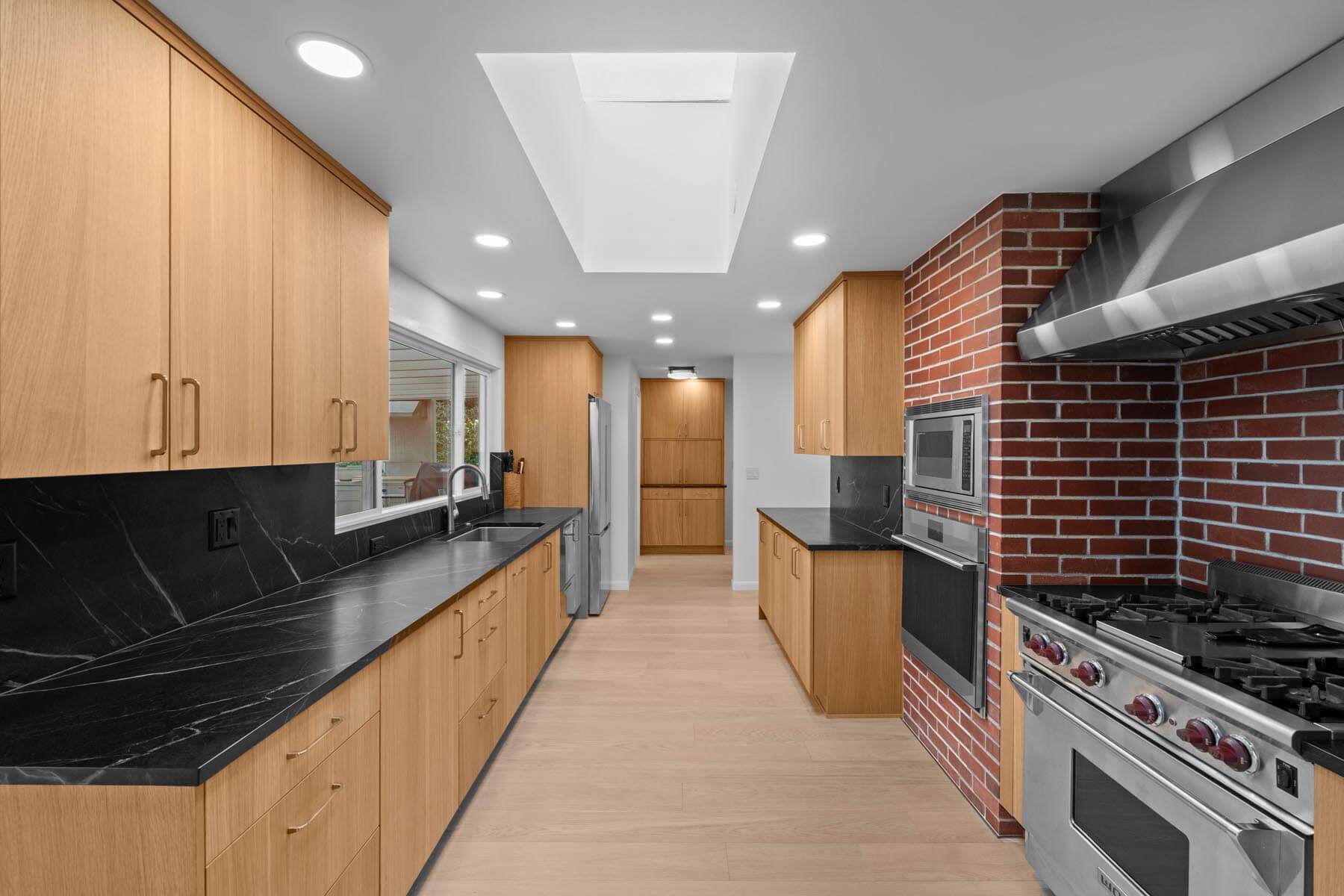
The kitchen was the centerpiece of the remodel and the area where the most meaningful transformation occurred.
Originally, the kitchen felt limited by the surrounding utility spaces and lacked the storage capacity needed for an active household. The redesign focused on improving workflow while creating opportunities for better organization.
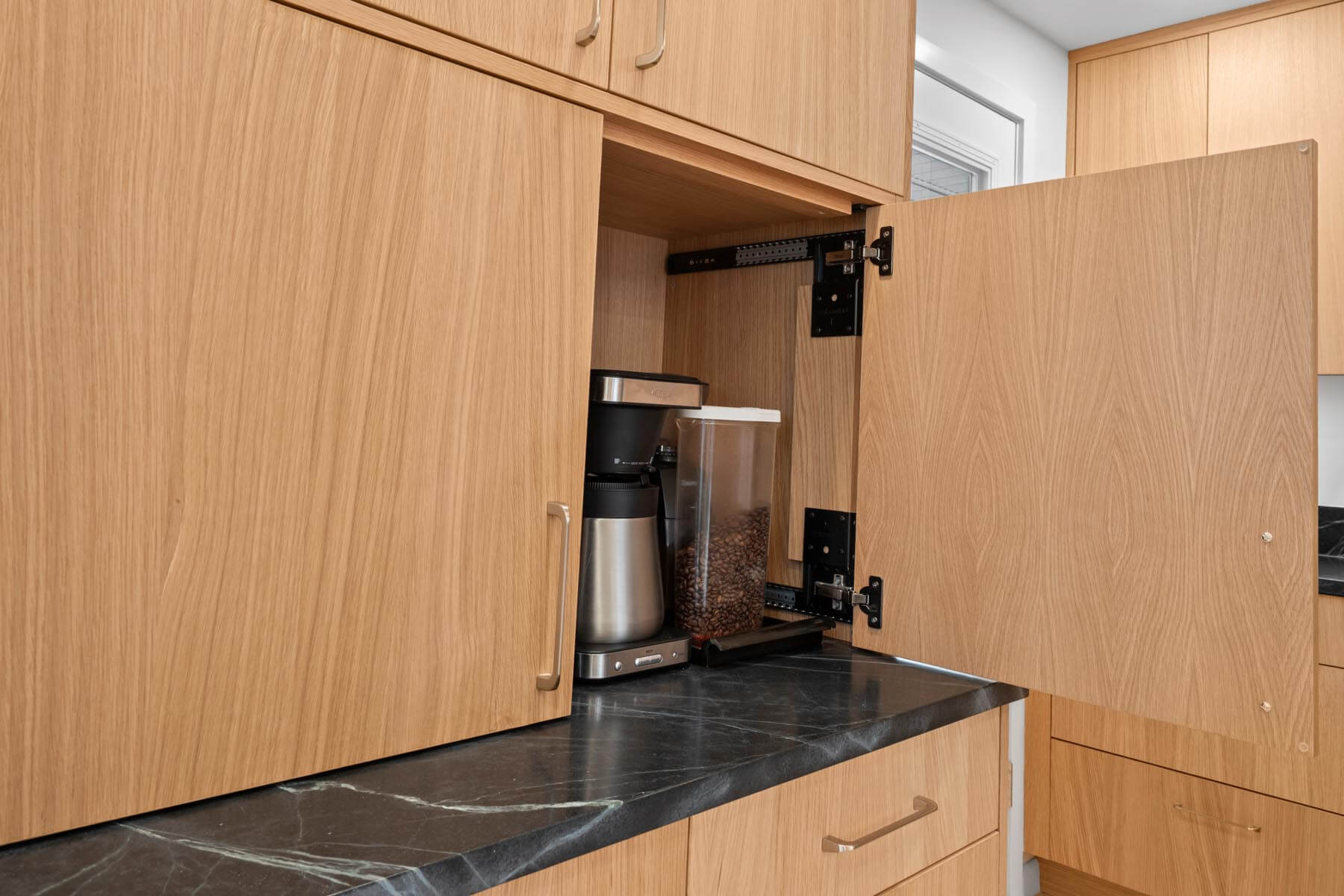
One important addition that was added to the kitchen was an appliance garage. By introducing this storage element, the kitchen was able to maintain a clean and streamlined appearance while still providing ample room for small appliances and everyday essentials.
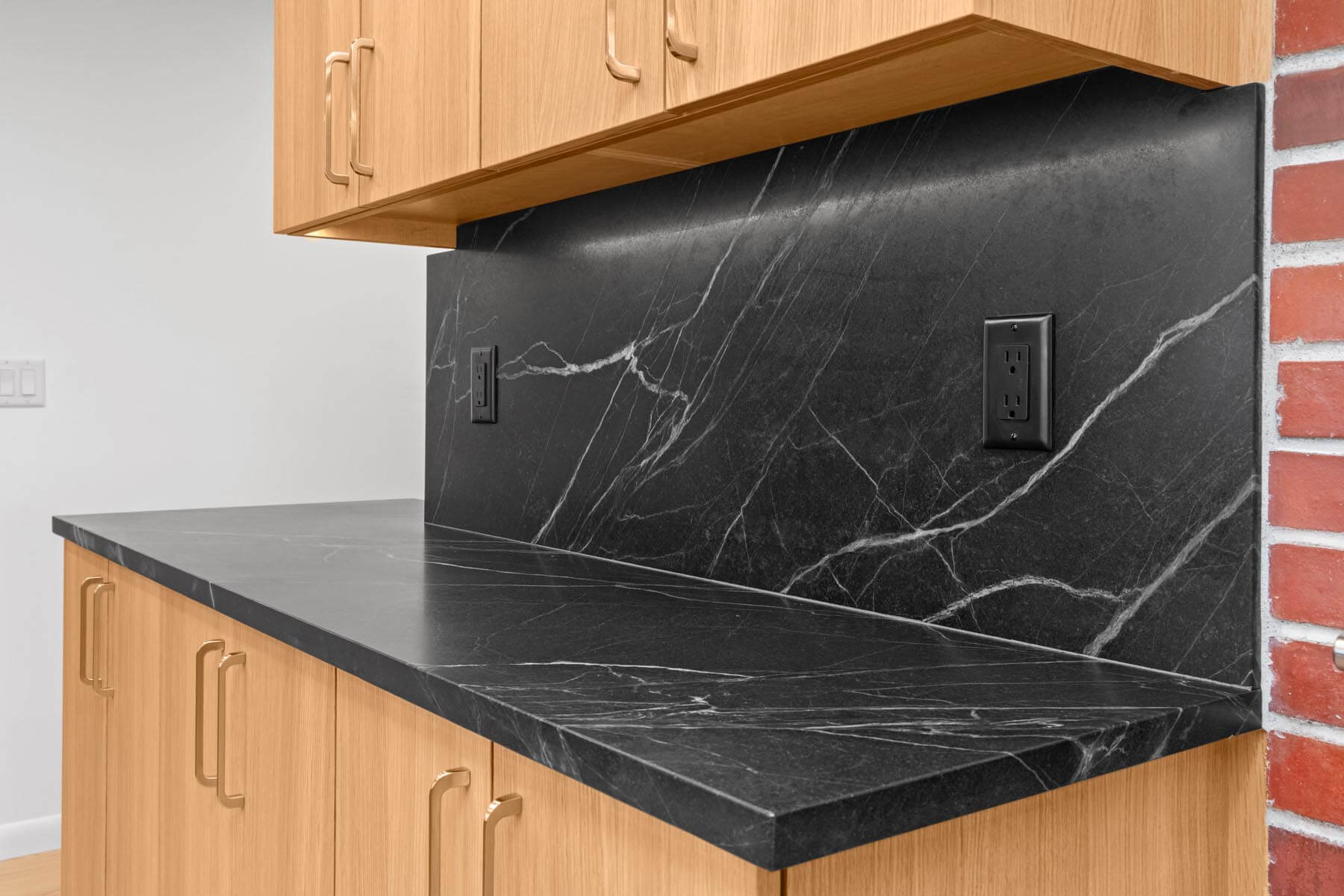
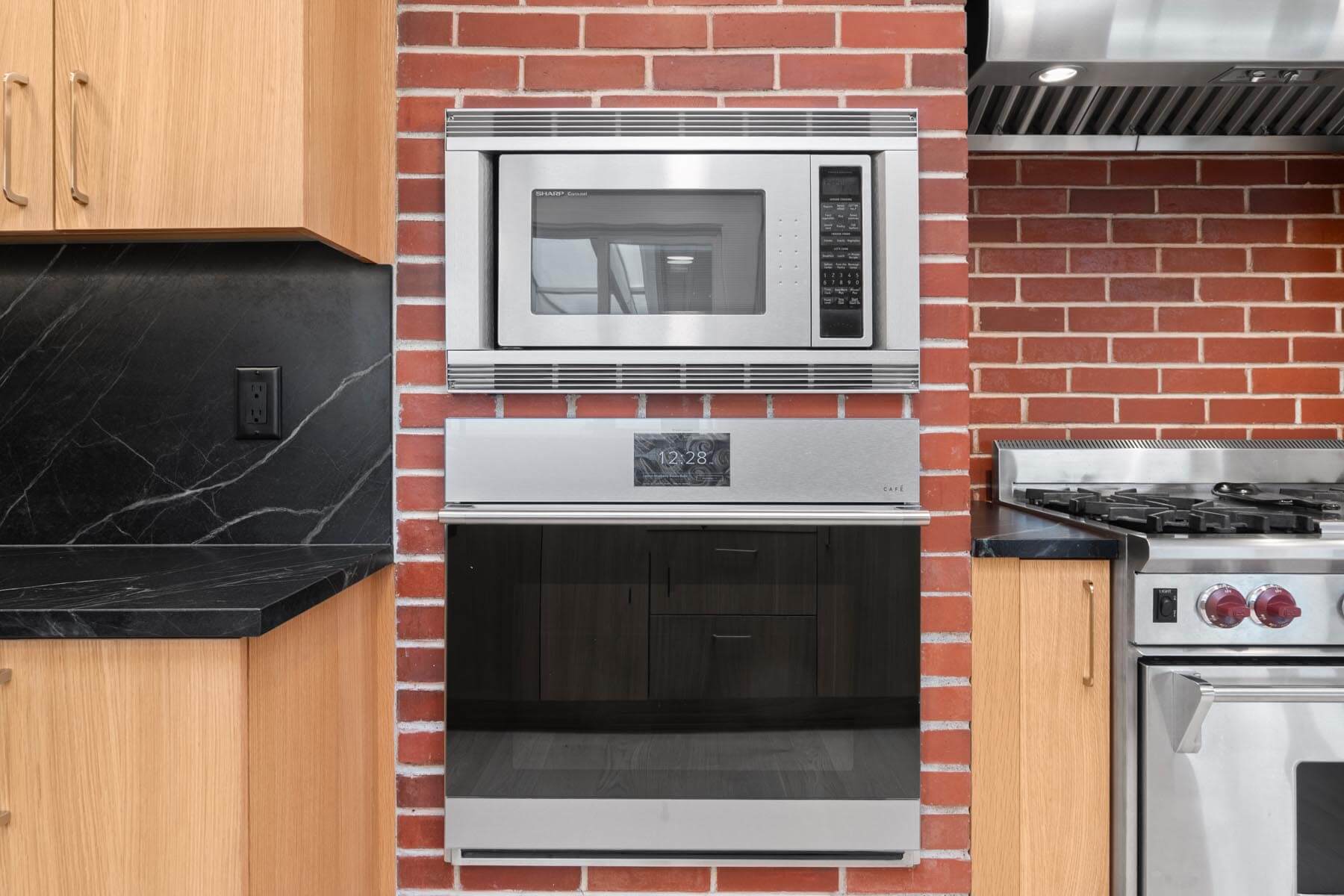
Cabinetry was carefully designed to maximize storage without overwhelming the space while coordinating well with the original brick in a portion of the kitchen. Thoughtful configurations ensure that everything has a designated place, helping the kitchen remain organized even during busy family routines.
Counter space and circulation were also improved, making it easier to prepare meals while staying connected to adjacent living areas. The kitchen now functions as a true gathering space — a place where cooking, conversation, and daily activity naturally intersect.
The design respects the overall character and original bricks of the home while introducing modern functionality, ensuring the kitchen feels both practical and welcoming.
Powder Bath
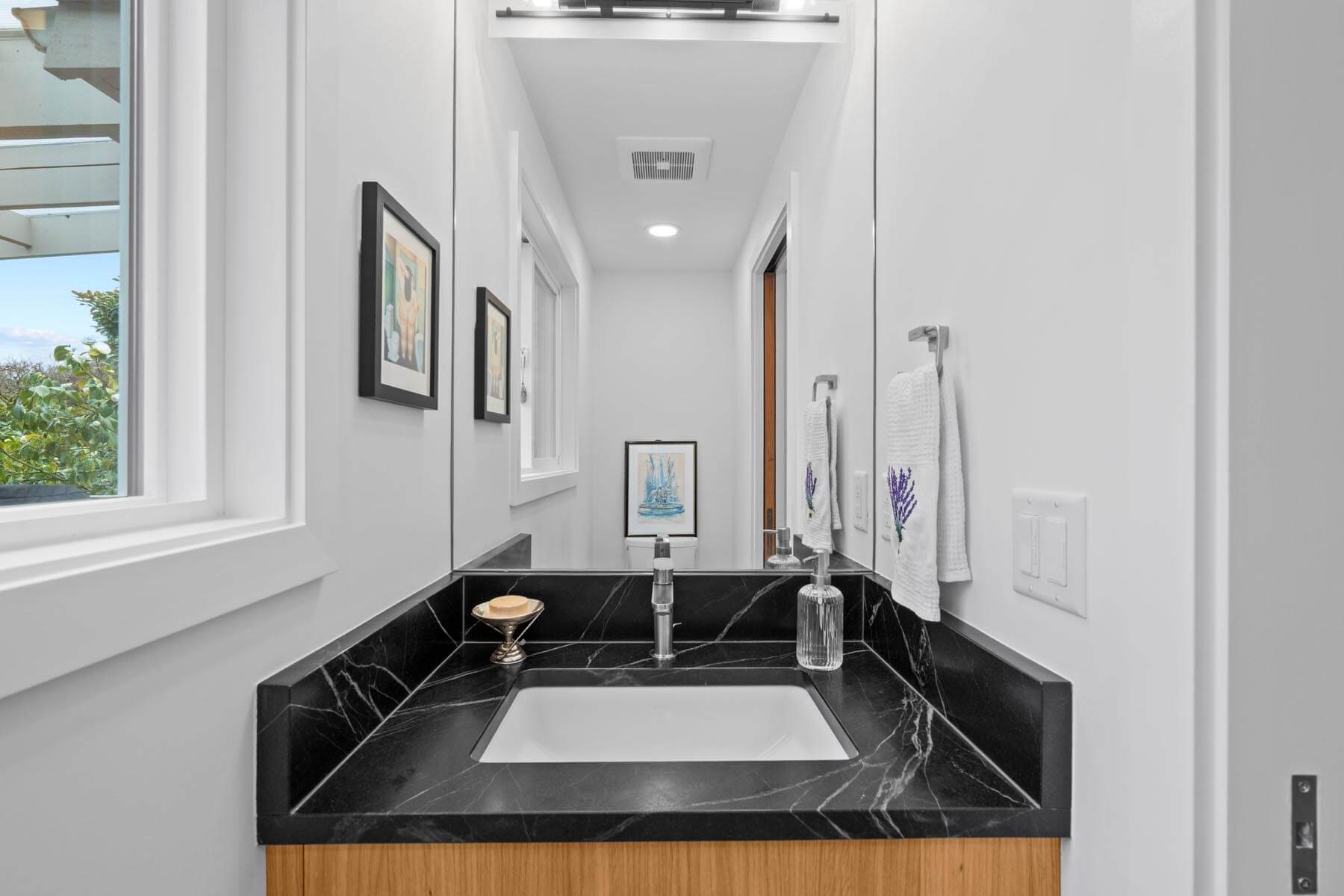
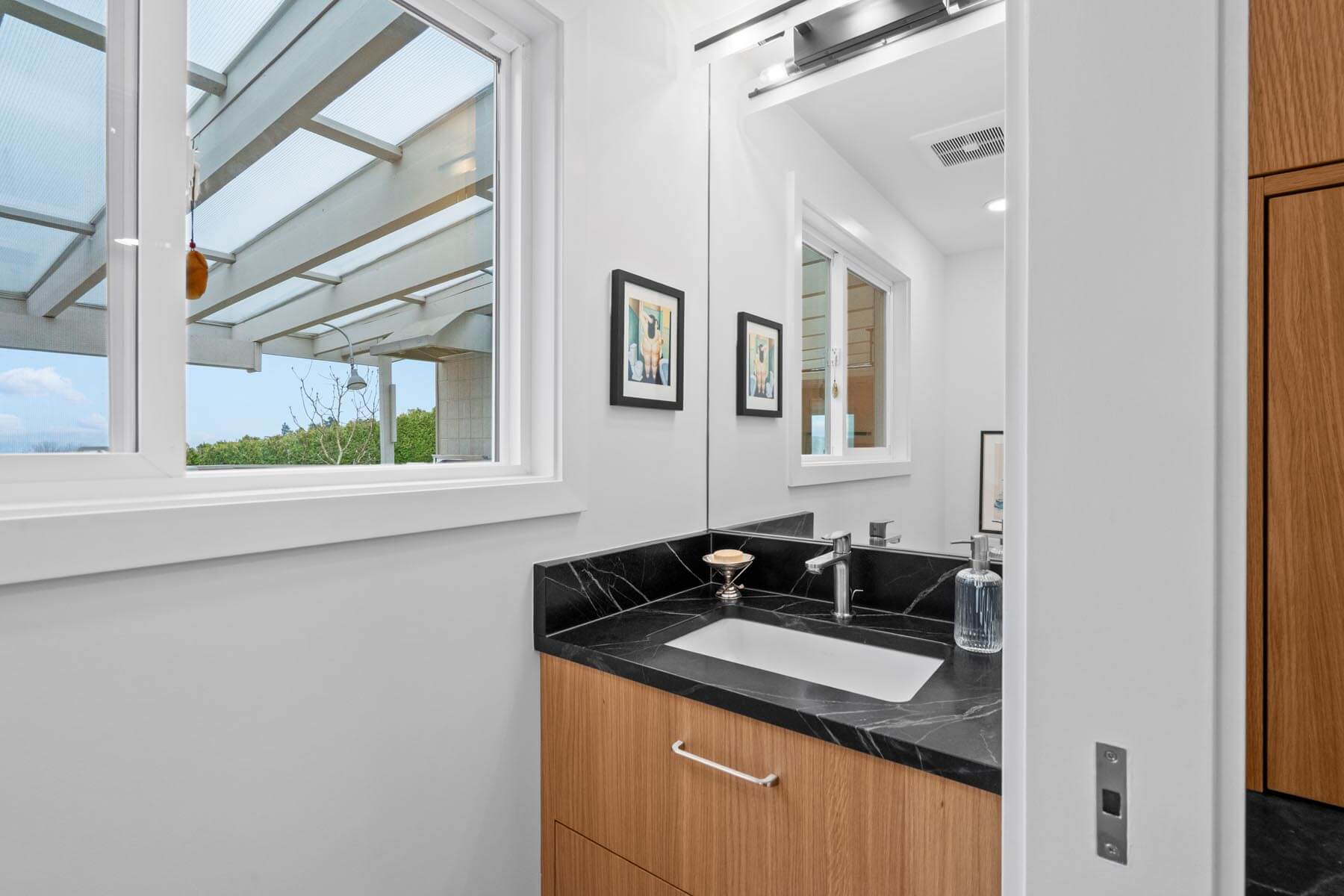
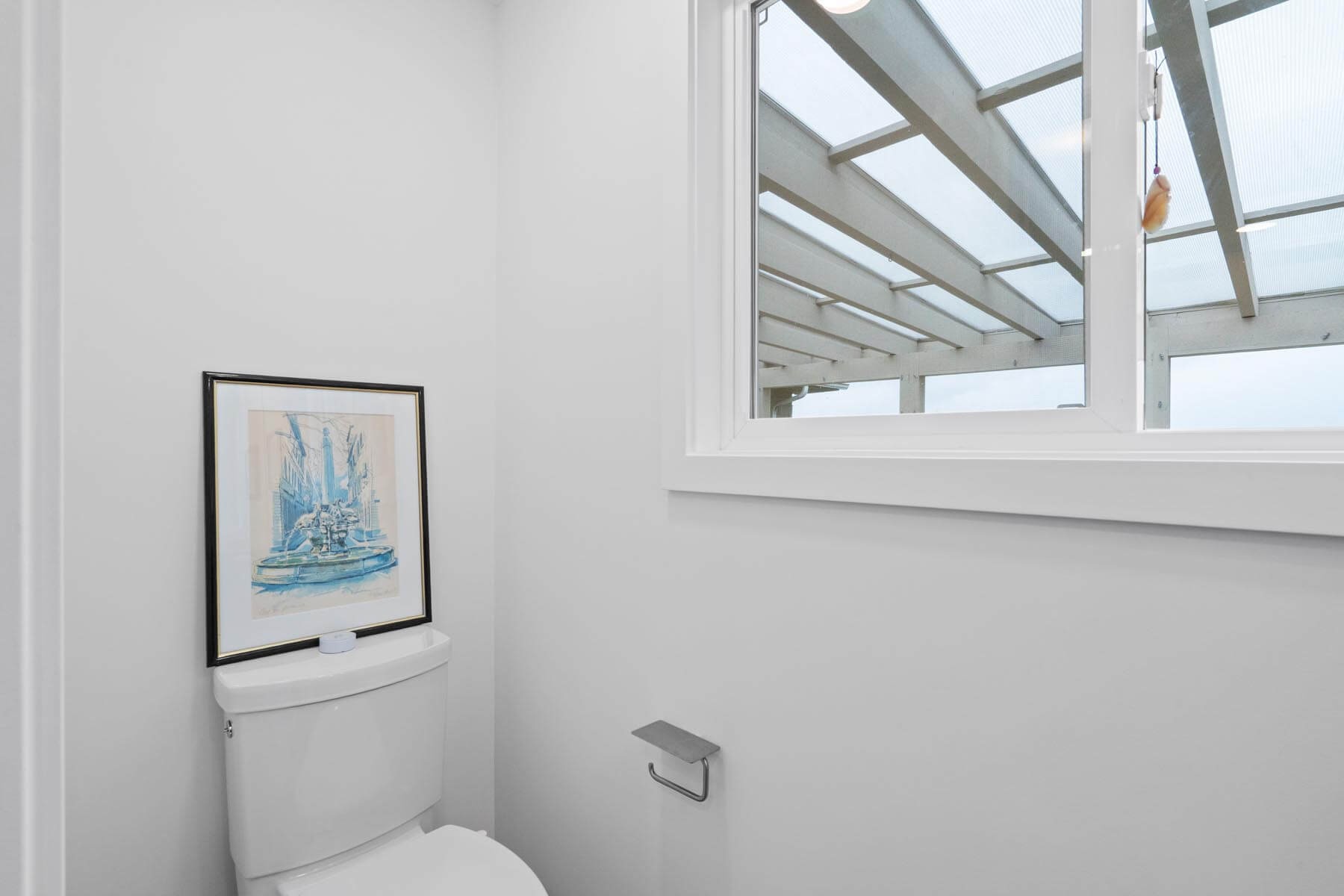
The powder bath was another area that benefited from the remodel. In the original layout, the space felt constrained by the surrounding utility rooms and lacked the sense of refinement that the homeowners envisioned.
Through careful planning, the powder bath was redesigned to feel more comfortable and visually balanced while maintaining its compact footprint. Updated fixtures and finishes contribute to a clean, modern aesthetic, while thoughtful layout adjustments improve circulation within the room.
Laundry Room
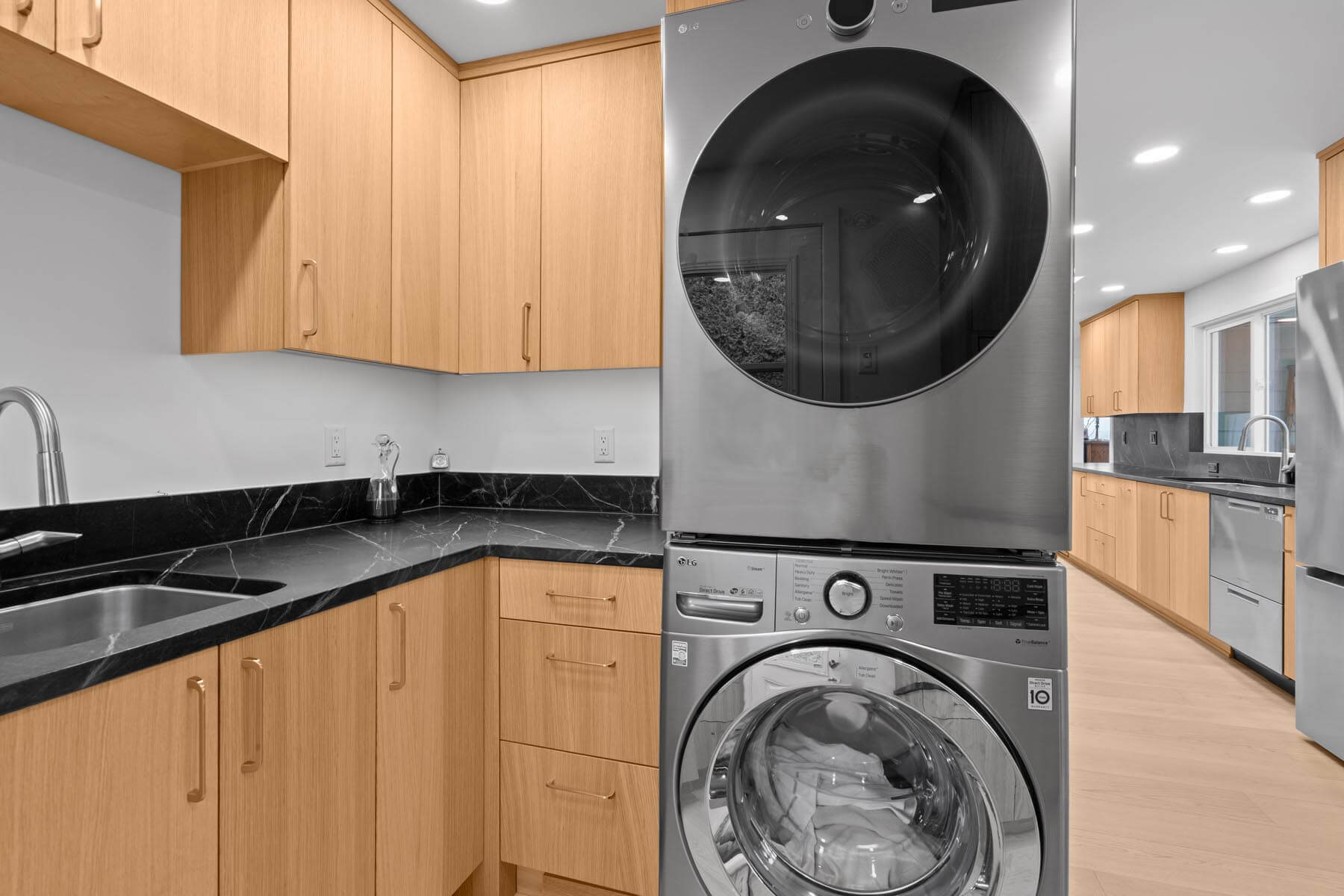
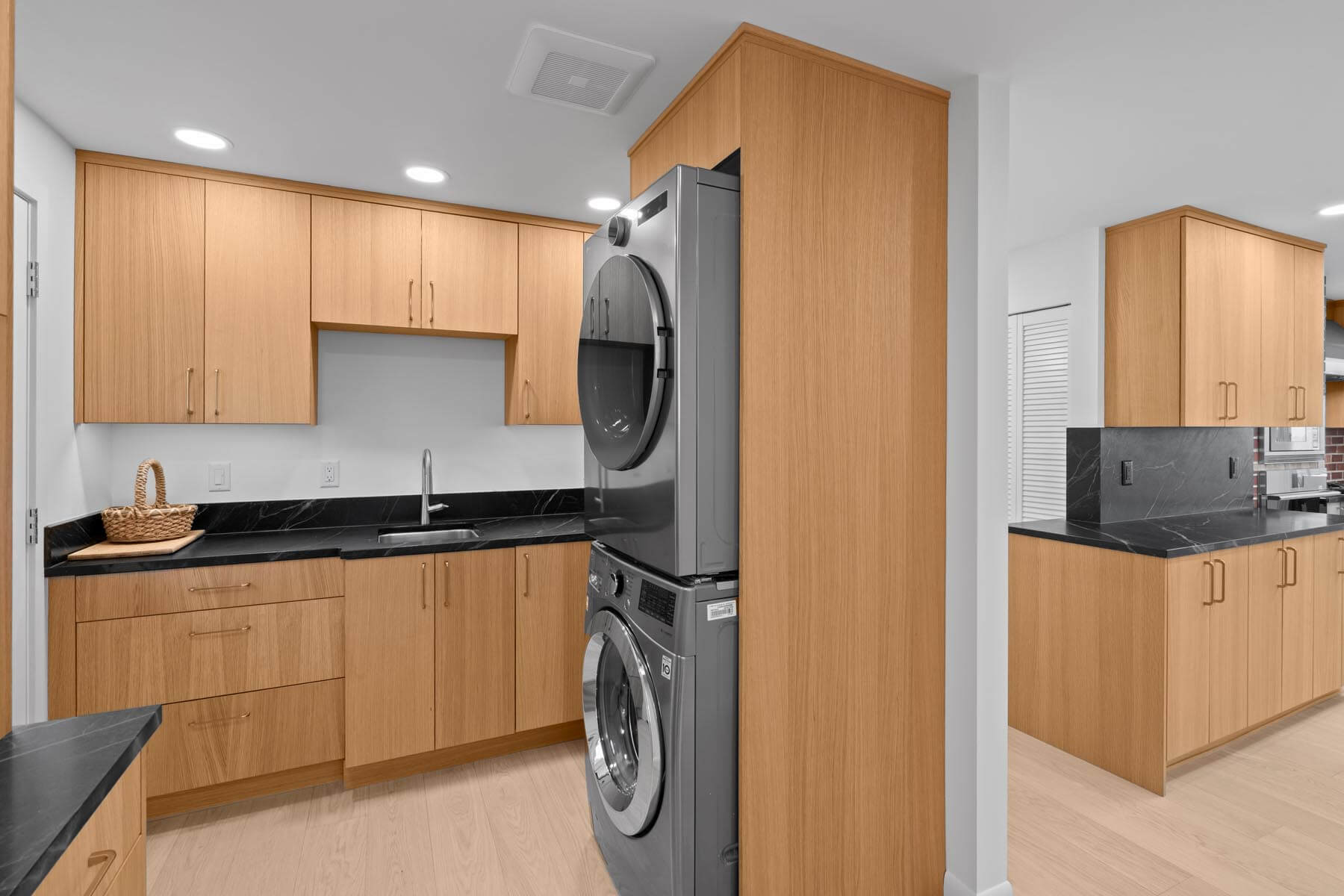
Laundry rooms often function as purely utilitarian spaces, but in this remodel the homeowners wanted the area to feel organized, efficient, and integrated into the home’s overall design.
The redesigned laundry space offers improved storage solutions and a more logical layout, making everyday tasks easier to manage. Cabinets and shelving provide dedicated areas for detergents, cleaning supplies, and household essentials.
By improving the organization of the laundry area, the homeowners were able to reduce clutter and streamline household routines.
Why Armada?
One of the reasons the homeowners chose Armada was the firm’s structured design process. Before any construction began, the team conducted a thorough feasibility study to evaluate the layout possibilities within the home’s existing footprint. This stage allowed the homeowners to explore options and understand how different design solutions would affect both functionality and cost.
Budget clarity was another important factor. By incorporating budget checks early in the design process, the homeowners were able to make informed decisions about priorities and adjustments before moving forward with construction. This approach helped ensure that the final design aligned with both their vision and their financial expectations.
The homeowners appreciated the transparency and organization of the process. Rather than rushing into demolition or construction, the team carefully evaluated the constraints of the existing layout and developed a plan that integrated all of the homeowners’ priorities.
This collaborative approach created confidence that the project would be handled thoughtfully from the earliest planning stages through the final build.
Brands
Fisher & Paykel